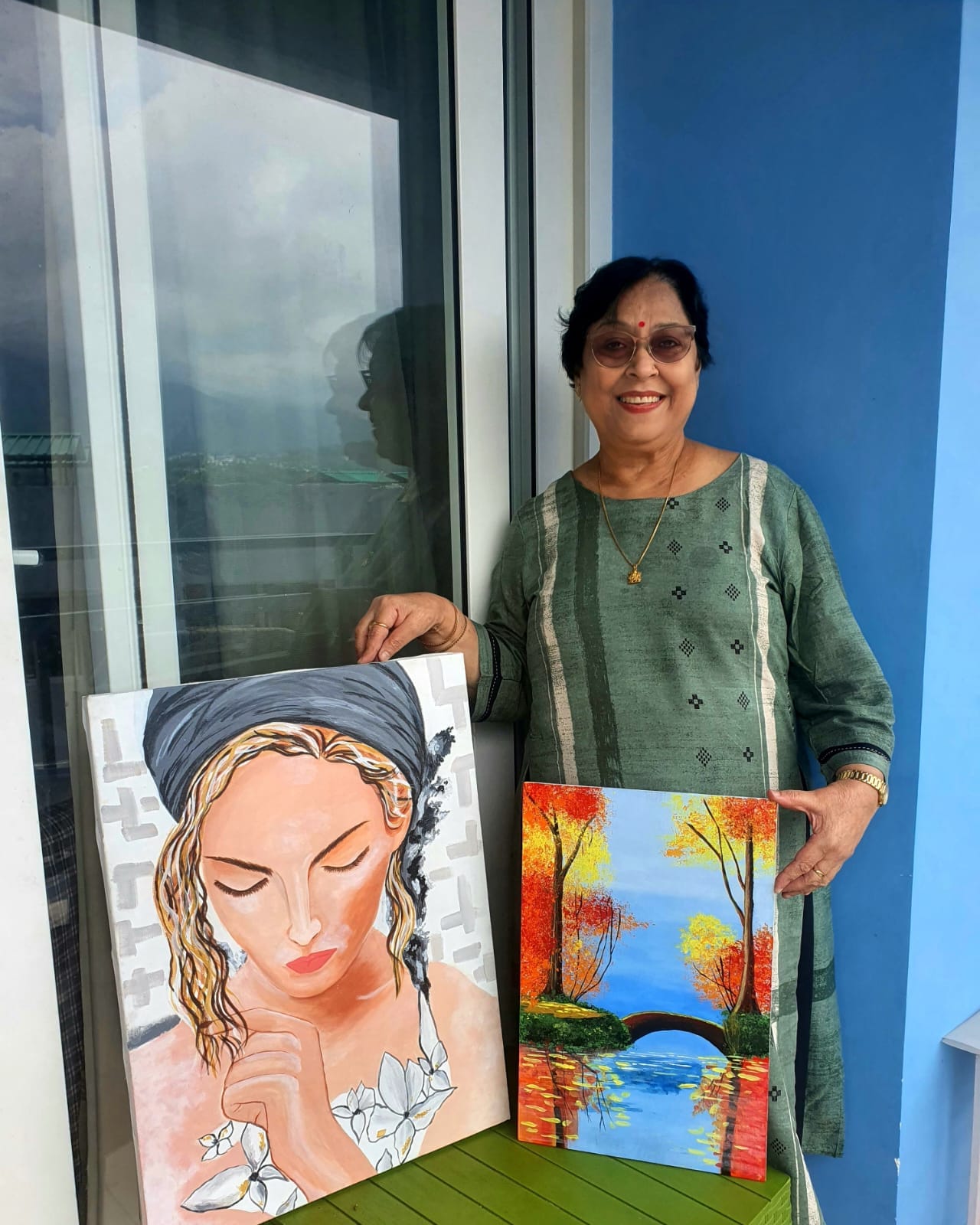
Senior artists are perceived as professionals who bring maturity, experience, and depth to the art world. Social trends don’t rush their creativity; it is shaped by a lifetime of stories, emotions, and experience, a level of depth that cannot be replicated. Across different cultures and generations, one truth remains unshaken: art does not age. Artists do, and when they do, their art deepens. This blog explores the dynamic inner world of senior artists and why their creativity deserves recognition.
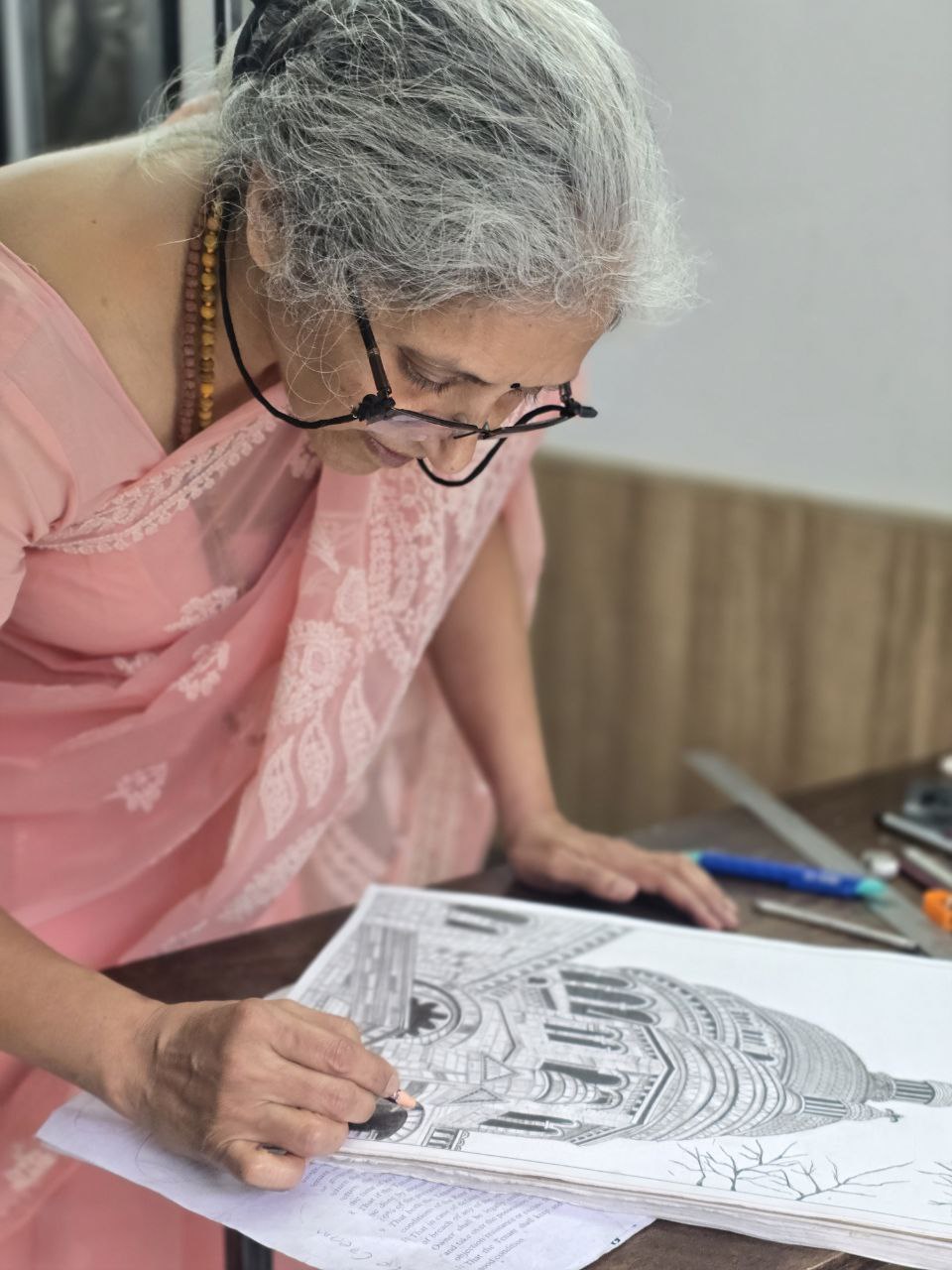
Creativity Deepens with Age
Contrary to popular belief, senior artists continue to prove that creativity in artistic expression does not fade with age; it grows richer. Senior artists have the advantage of decades of lived experience, which provides emotional clarity and a strong storytelling ability. Their artworks tend to be more meaningful. With age comes a quiet freedom, as the pressure to prove oneself and chase perfection fades, leaving room for exploration and honest expression. Senior artists possess patience, which allows them to explore details that younger artists may skip: the shift of light, the character of a line, the subtle emotion in a moment. Their approach towards the world is slower and more intentional, which directly elevates artistic expression and creativity.
Artistic Skills Evolve; Not Decline
The skill spectrum of senior artists involves all levels: complete beginners, returning artists, and highly skilled creators. What all of them have in common is the willingness to learn and grow despite their age. Beginner senior artists often progress as they have better pattern recognition, judgement, and patience, which are valuable for art. older beginners also tend to be more disciplined; they are better at sticking to structured practice and avoiding pointless distractions, which speeds up progress. A lot of people rediscover their passion for art at an older age and seek to evolve their skills. The initial phase of rebuilding foundational skills can be a little difficult, as it requires regaining confidence and muscle memory. But returning artists bring the wealth of life experience, which makes their artworks more mature, reflecting personal history and insights. Experienced senior artists focus on refinement: color mastery, composition, and storytelling. Their lifetime of practice finally shines in this stage of their lives, as they can blend professional skills with their originality.

The Challenges They Face Shape Their Art
The journey of a senior artist is not one without obstacles: physical, emotional, and societal. But each one often shapes their art in powerful ways. Senior artists often face physical limitations: wrist pain, back issues, poor eyesight, etc. These limitations affect long practice sessions. To overcome them, seniors can use adaptive tools designed for ease of grip and focus on tailoring their session lengths according to their endurance. Ageism and age-related stereotypes often foster self-doubt and the fear of being too late to start among senior artists. A nurturing environment can transform artistic challenges into stepping stones. The Creative Pod offer this kind of environment, which welcomes learners at any stage of life.
The Artistic Journey is Timeless
The stories of artists like Paul Cézanne and Grandma Moses remind us that creativity is a lifelong companion, not a race with an expiration date. Cézanne produced his most groundbreaking work later in life, reshaping the foundations of modern art with a maturity only years of exploration could bring. Grandma Moses began painting seriously in her seventies, proving that passion can bloom at any age and that artistry is driven by spirit, not youth.